residential
vantage point
residential
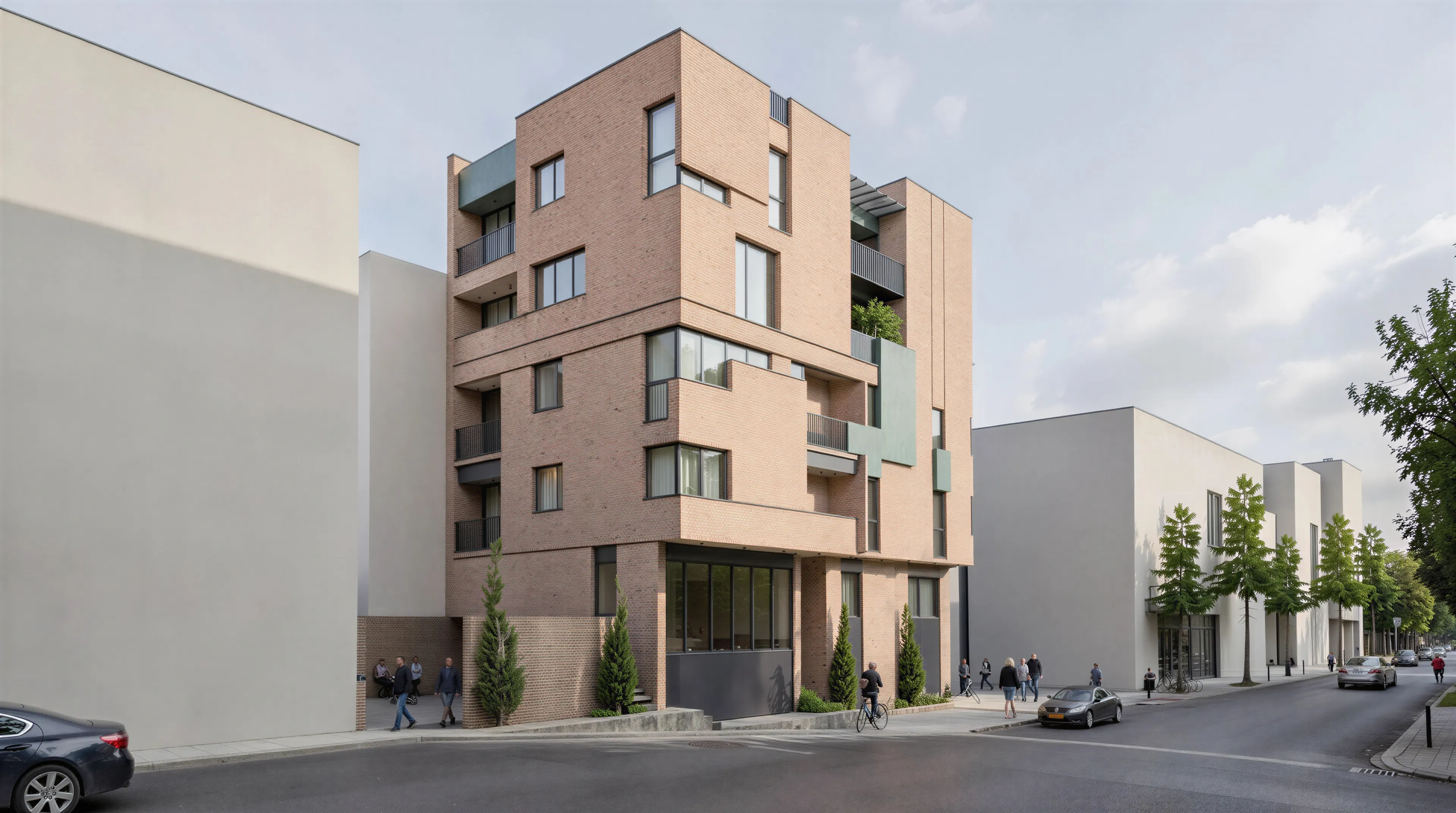
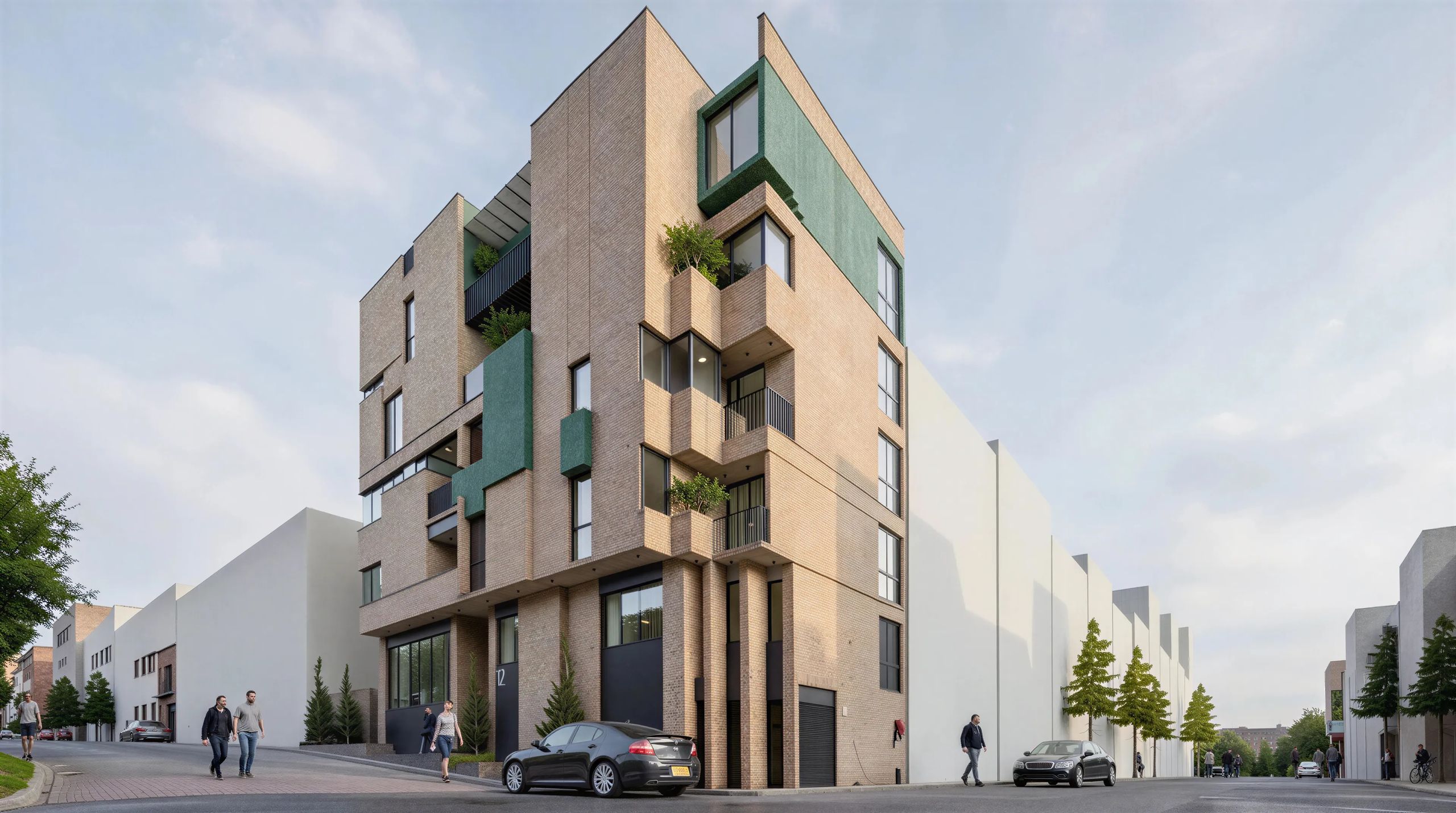
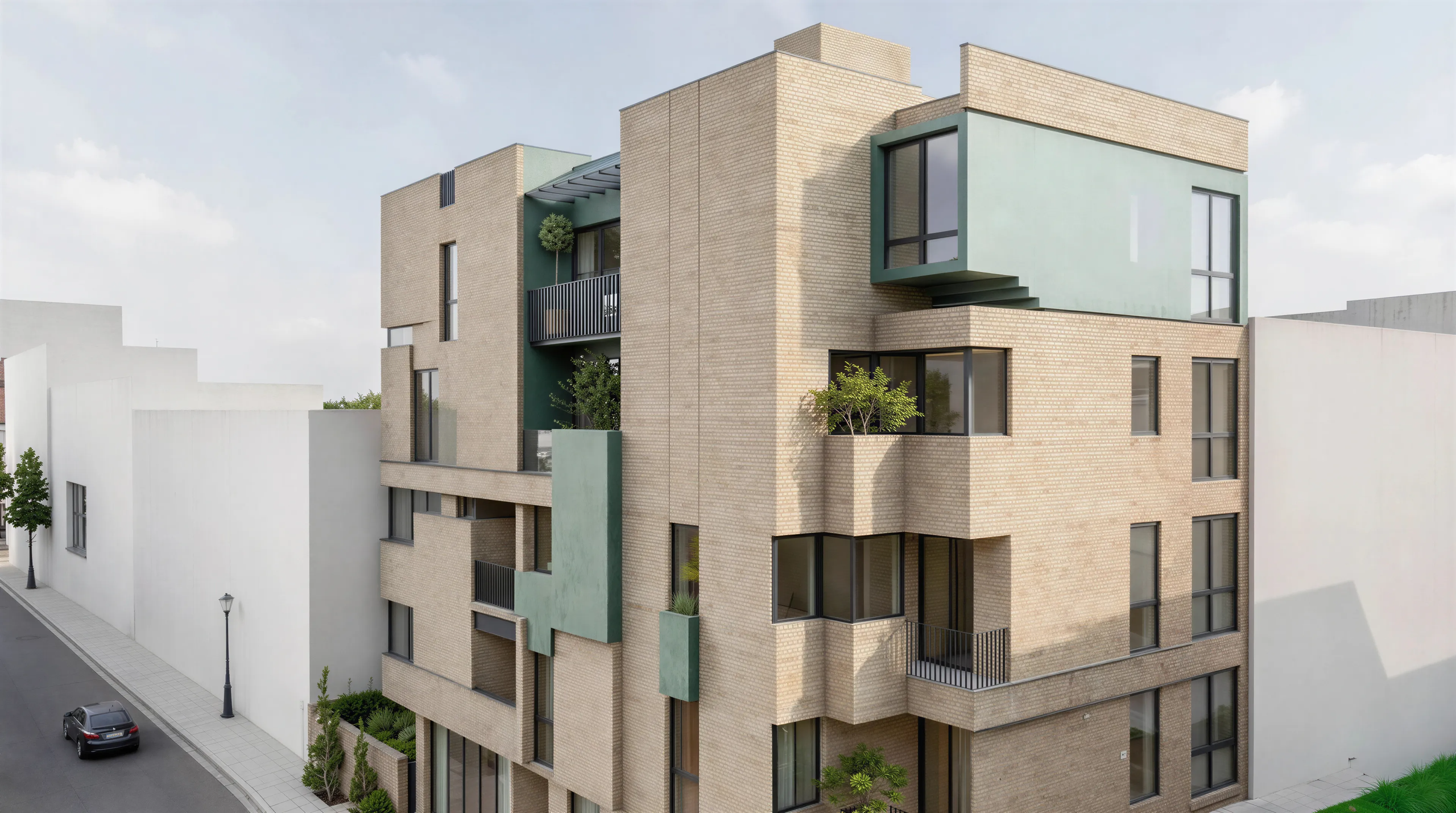
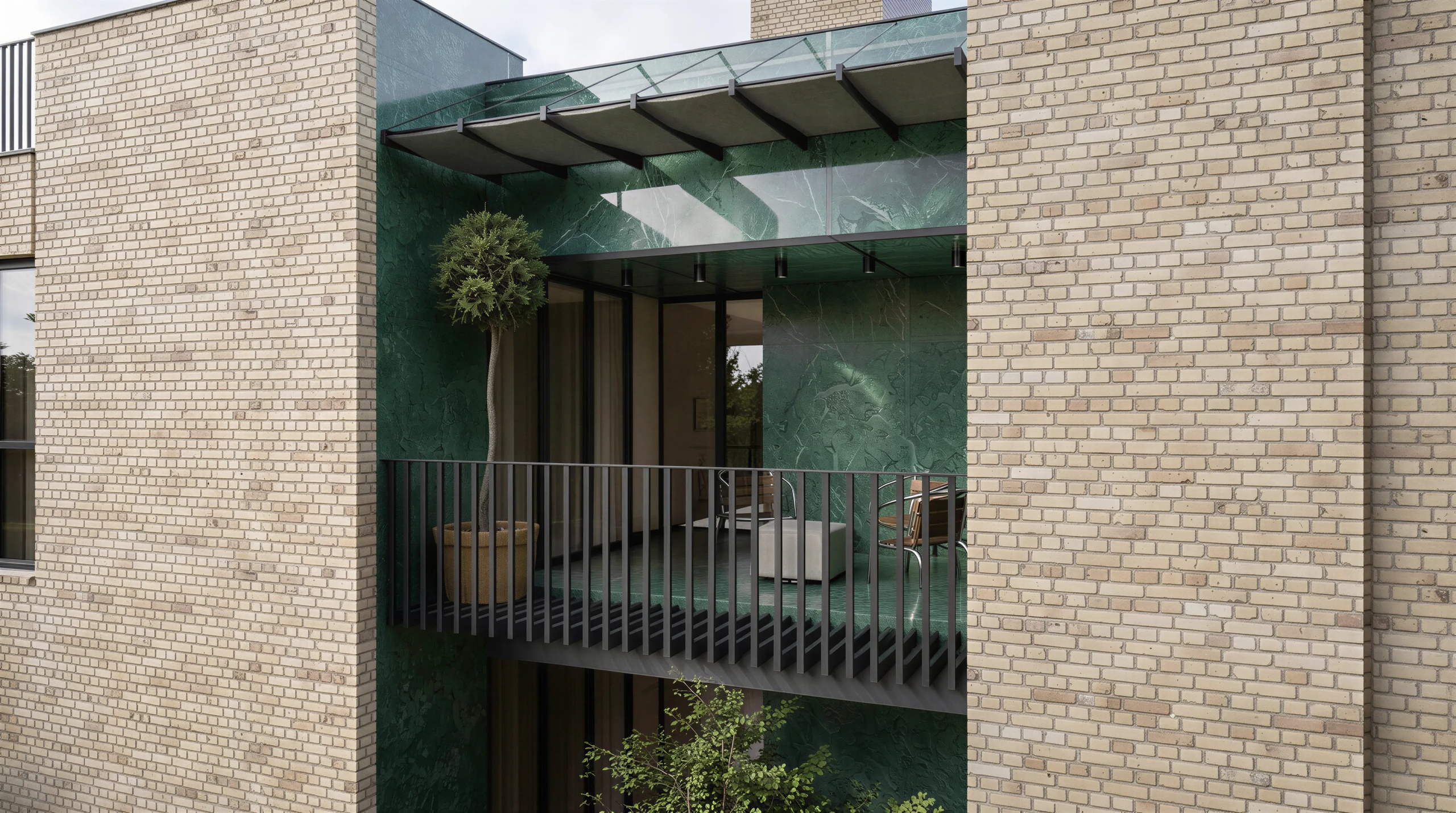
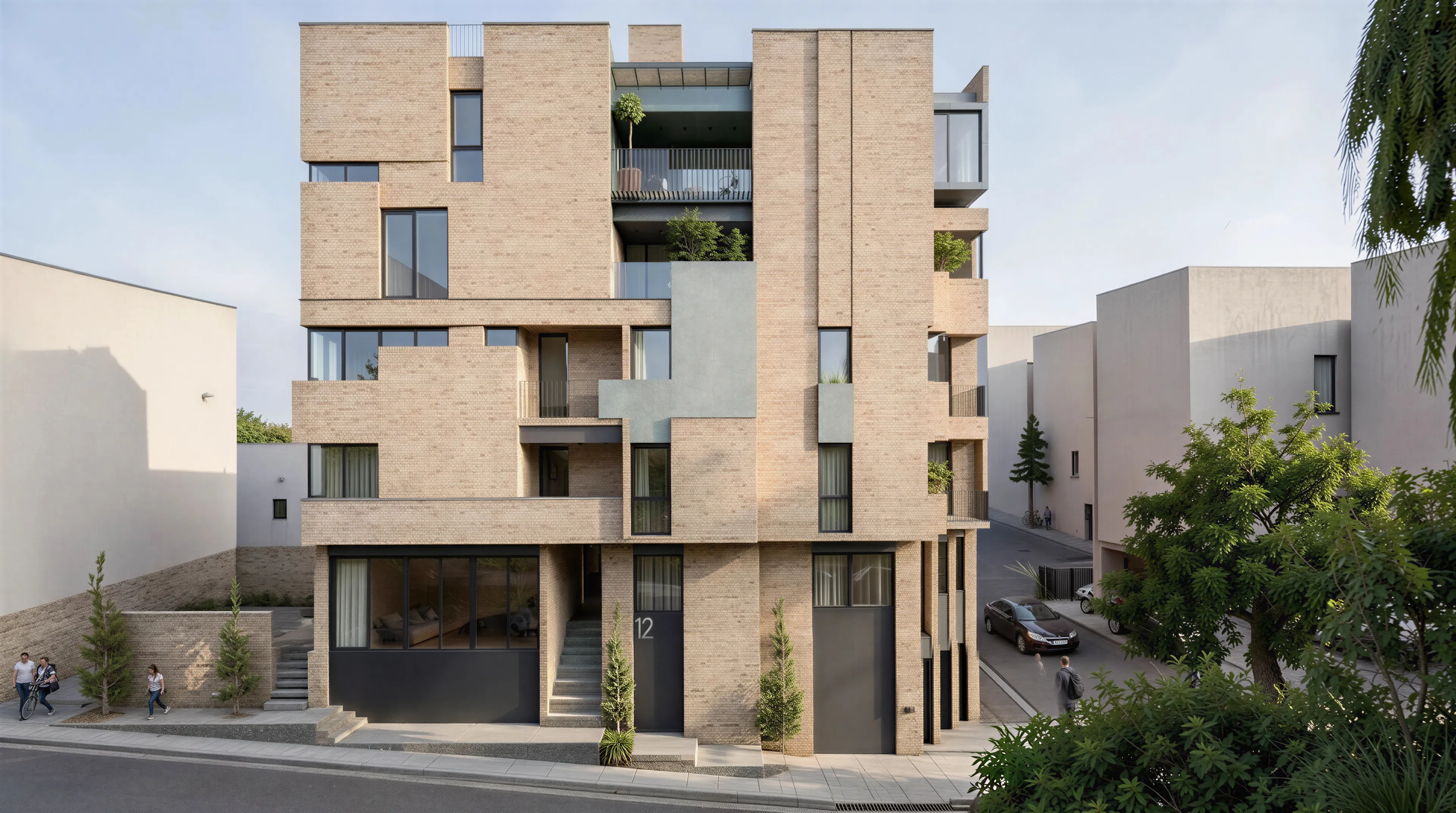
“Nazargah” explores the relationship between the private life of the house and its public presence in the city. Transparency here is not understood as the use of glass, but as the possibility of reading aspects of domestic life through the façade. The position and character of openings emerge from the interior organization, allowing elements such as the staircase, chimney, and even the bathroom wi
- Location
- iran, mashhad, namaz blvd
- Area
- 2000 m²
- Client
- dr.morteza mortazavi
- Typology
- residential
- Status
- Concept
“Nazargah” begins with a question about the relationship between the private life of a house and its public presence in the city.
In a context where residential buildings are increasingly defined by symmetrical façades, repetitive windows, and standardized patterns, the differences between individual homes and the lives of their inhabitants can disappear behind a uniform architectural image. Here, transparency is not understood as the extensive use of glass or as visual lightness. Instead, it refers to a more direct and honest relationship between the life of the interior and the public face of the building.
The central question was whether the internal life of a house could become partially legible from the city without directly exposing its private life.
This question led the façade to become an extension of the interior organization rather than an independent visual surface. The position and character of openings are derived from the spaces behind them, allowing differences in use and domestic activities to generate differences in the external appearance of the building.
In “Nazargah,” a window is not simply a repeated element within a façade composition. Each opening belongs to a specific interior space and reflects an actual condition of domestic life. The staircase reveals its presence on the façade; the living room is expressed through its chimney; and even a bathroom window, when facing the main façade, acknowledges its presence while maintaining privacy through textured glass.
Transparency, therefore, does not mean making domestic life completely visible. It means allowing aspects of its underlying organization to be read from outside. Rather than imposing a single image upon the house, the façade acknowledges the differences that already exist within it.
“Nazargah” emerged from an attempt to return individual identity to residential architecture: to conceive the building not as an image detached from life, but as an architectural reflection of its organization, behaviors, and differences.
What happens inside the building does not simply remain behind the façade; it becomes one of the forces that shapes it.